The Smart Way To Choose A Color 3D Printer
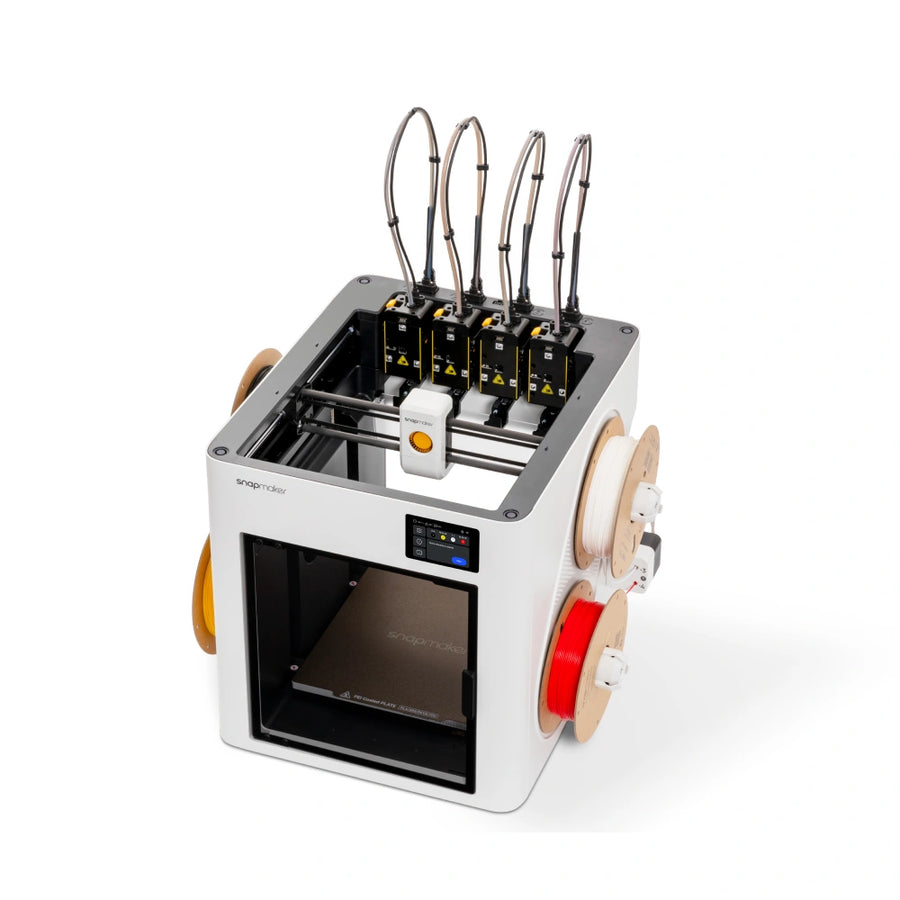
The world of 3D printing is undergoing a significant transformation, moving beyond the realm of simple monochrome prototypes into a vibrant universe of full-color production. At the heart of this revolution is the color 3D printer, a sophisticated machine that is redefining what is possible for designers, engineers, and hobbyists alike. This technology is no longer a futuristic concept but a tangible reality that offers unprecedented capabilities. The shift color 3D printer from single-material to multi-material and multi-color printing is unlocking new levels of creativity and functionality.
One of the most striking advancements in modern printing is the dramatic increase in efficiency. We are now seeing machines that deliver smooth printing with 5X more speed and 5X less waste compared to older generation printers. This is a game-changer for productivity, allowing users to create complex parts in a fraction of the time. The reduction in waste is not only economically beneficial but also supports more sustainable manufacturing practices. This combination of speed and efficiency makes the color 3D printer a viable tool for rapid prototyping and small-batch production runs.
At the core of this performance is an innovative engineering design, often featuring a multi-toolhead system. The SnapSwap™ 4-Toolhead System with 5s Tool Change exemplifies this, enabling seamless transitions between different colors and materials. With this system, the printer can handle up to four different filaments simultaneously, working in perfect harmony to produce a single, cohesive object. The ability to switch tools in just five seconds minimizes downtime and keeps the printing process fluid and uninterrupted.
The true power of a modern machine lies in its ability to treat these multiple toolheads as a single, unified system. When 4 toolheads work as one, the printer can execute complex operations that were previously impossible. This unified approach allows for the creation of parts with varying mechanical properties, such as rigid interiors with flexible exteriors, all in a single print job. This versatility is what sets the color 3D printer apart, making it an essential tool for innovators who need to push the boundaries of design.
Finally, the user experience has been significantly enhanced to make this advanced technology accessible. Features like auto filament loading simplify the setup process, eliminating the manual feeding that often leads to jams. With a max speed of 500 mm/s and acceleration of up to 20,000 mm/s², combined with a generous build volume of 270*270*270mm³, these printers can produce large, high-quality parts quickly and reliably. This combination of user-friendly features and industrial-grade performance ensures that the color 3D printer is ready for the challenges of modern manufacturing.